

 English
 Español
PU leather office chairs offer an appealing balance of style, comfort, and affordability. The material looks close to genuine leather, wipes clean easily, and fits into almost any workspace. However, after months of regular use, some chairs begin to show small cracks on the surface, and those cracks gradually turn into unsightly peeling. Knowing why PU leather peels and how anti-hydrolysis materials are designed to resist that process is the key to buying a chair that remains presentable for many years.
Why Does PU Leather on Office Chairs Peel?
PU leather is not a single solid sheet. It is a composite material made from a fabric backing, one or more layers of polyurethane resin, and a thin surface finish. Peeling occurs when these layers separate. The most common trigger is a slow chemical process called hydrolysis.
Hydrolysis: The Leading Cause
Hydrolysis happens when moisture in the air combines with heat and slowly breaks down the long polymer chains in the polyurethane resin. The material loses its flexibility, becomes brittle, and begins to detach from the backing. High-humidity offices, warehouses without air conditioning, and chairs used near windows are especially vulnerable. Sweat from daily sitting also contributes local moisture, which is why the centre of the seat and the armrests often peel first.
Physical Wear and Abrasion
Friction from sitting down and adjusting posture damages the top coating. Once the surface protection is scratched, moisture and dirt can penetrate the layers beneath. The damage can spread quickly across the seat pan, especially when the underlying foam is too soft and allows the cover to move.
UV Light, Heat, and Cleaning Chemicals
Ultraviolet light attacks the resin and makes the surface brittle. Heat from direct sunlight, radiator units, or even a laptop placed on the seat can accelerate degradation. Household cleaners that contain alcohol or strong solvents also strip the protective finish. Over time, the combination of heat, light, and chemical exposure weakens the material exactly where it bends and flexes most.
What Makes Anti-Hydrolysis PU Leather Different?
Anti-hydrolysis PU leather is a modified version of standard polyurethane leather. The formulation uses more stable resin systems, protective additives, and engineered adhesives that resist the moisture-related breakdown of the polymer. The goal is not to make the material waterproof; it is to keep the PU structure intact when humidity, sweat, and warmth are present for long periods.
This difference becomes visible over time. Standard PU leather stiffens and cracks, while hydrolysis-resistant leather remains flexible and keeps its bond with the backing. In busy offices where chairs are used continuously, the practical benefit is a longer service life and fewer warranty concerns.
| Property | Standard PU Leather | Anti-Hydrolysis PU Leather |
|---|---|---|
| Main failure trigger | Moisture and heat break down resin | Much slower hydrolysis reaction |
| Flexibility over time | Becomes brittle and hard | Stays pliable for longer |
| Surface cracking risk | Higher in humid conditions | Reduced in the same conditions |
| Relative cost | Lower initially | Slightly higher initially |
Key point: Anti-hydrolysis is not about resisting scratches; it is about resisting the chemical breakdown that leads to peeling.
How to Check Whether a PU Leather Office Chair Will Resist Peeling
Because peeling often takes months to appear, it is difficult to judge durability from a quick showroom test. Nevertheless, a few practical checks can help you compare products.
Look for a Detailed Material Specification
The supplier should identify the cover material clearly. A chair described only as "leather-like" or "vegan leather" does not tell you whether the PU is hydrolysis-resistant. Ask about the backing fibre, coating thickness, abrasion cycles, and any hydrolysis test method used.
Inspect the Edges, Seams, and Cushion
Examine seams and corners before buying. The PU layer should not wrinkle where the cover is stretched around the foam. Press the seat and observe how the material responds. If the cover slides against the foam or creates ripples, friction may become a future peeling point.
Ask the Manufacturer for Test Results and Warranty Terms
Quality manufacturers can provide evidence of abrasion tests, colour fastness checks, and hydrolysis-related evaluations. A longer warranty on the upholstery is a meaningful signal because it transfers some risk back to the maker. For B2B buyers, it is also wise to request a sample chair and run a small trial.
For example, a medium-back PU office chair with a compact frame and approved material specification is a practical starting point for everyday workstations.
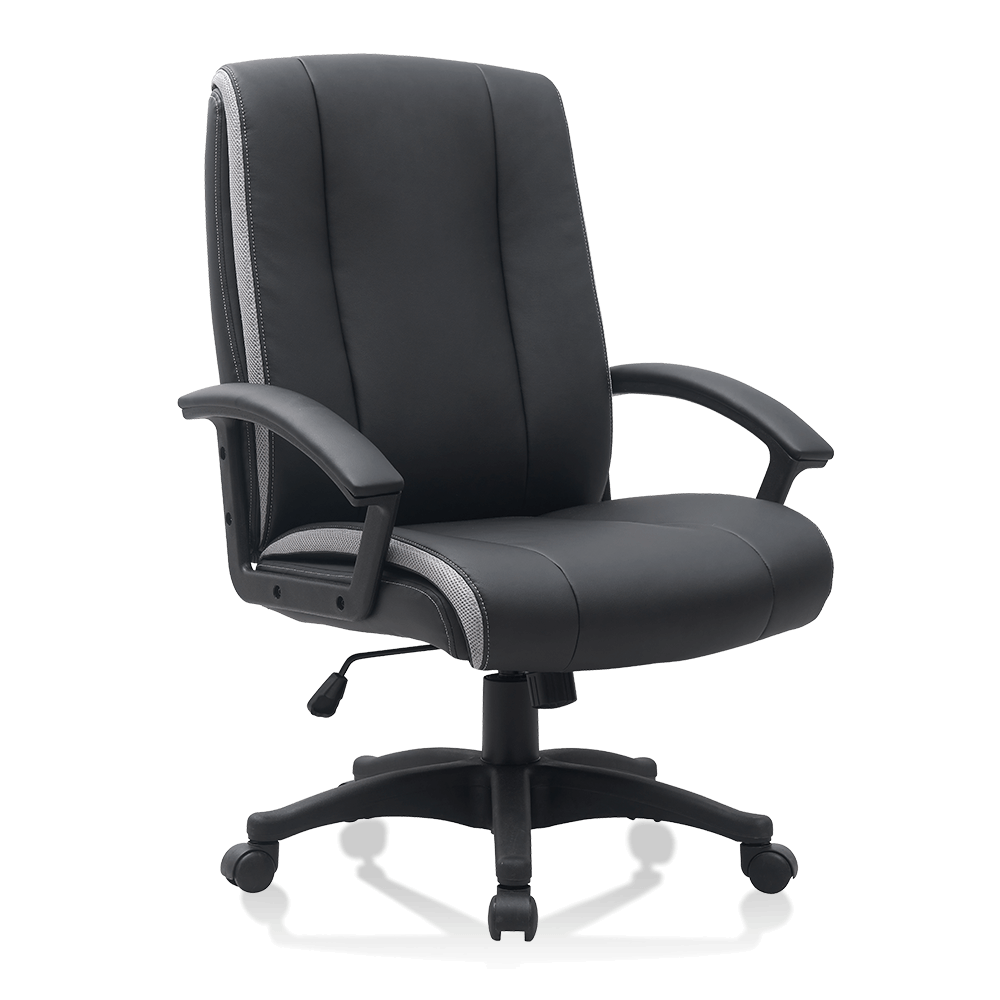 Mid-Back PU Office Chair with Adjustable Seat and Tilt ControlThis chair uses PU and PVC materials for a soft, wear-resistant surface. Its adjustable height, seat angle, tilt control, and 360-degree swivel support everyday workstation use, making it a practical choice highlighted in the context of PU durability.View Product →
Why Manufacturing Quality Affects PU Leather Peeling
The same PU material can behave differently depending on how the chair is built. A durable cover will still peel early if the foam is thin, the seat edges are sharp, or the stitching is too tight. Therefore, material selection must be supported by responsible manufacturing steps.
At Anji Xuanlong Furniture, the in-house manufacturing process controls the ways PU leather is cut, sewn, and stretched over cushions. This consistency reduces small defects that can shorten a chair cover's life. If you are sourcing chairs, reviewing the manufacturing process is as important as comparing material price.
Learn more about Xuanlong's manufacturing process to understand how production controls influence durability.
For workplaces with different needs, the same factory can also adapt cushion density, backrest angle, and fabric choice. Through customized seating programs, buyers can specify anti-hydrolysis PU for high-humidity regions or heavy-duty models with thicker foam.
Long-sitting employees also benefit from a wider, well-padded seat and a supportive backrest. A PU leather sedentary chair is one option when the daily sitting time is high.
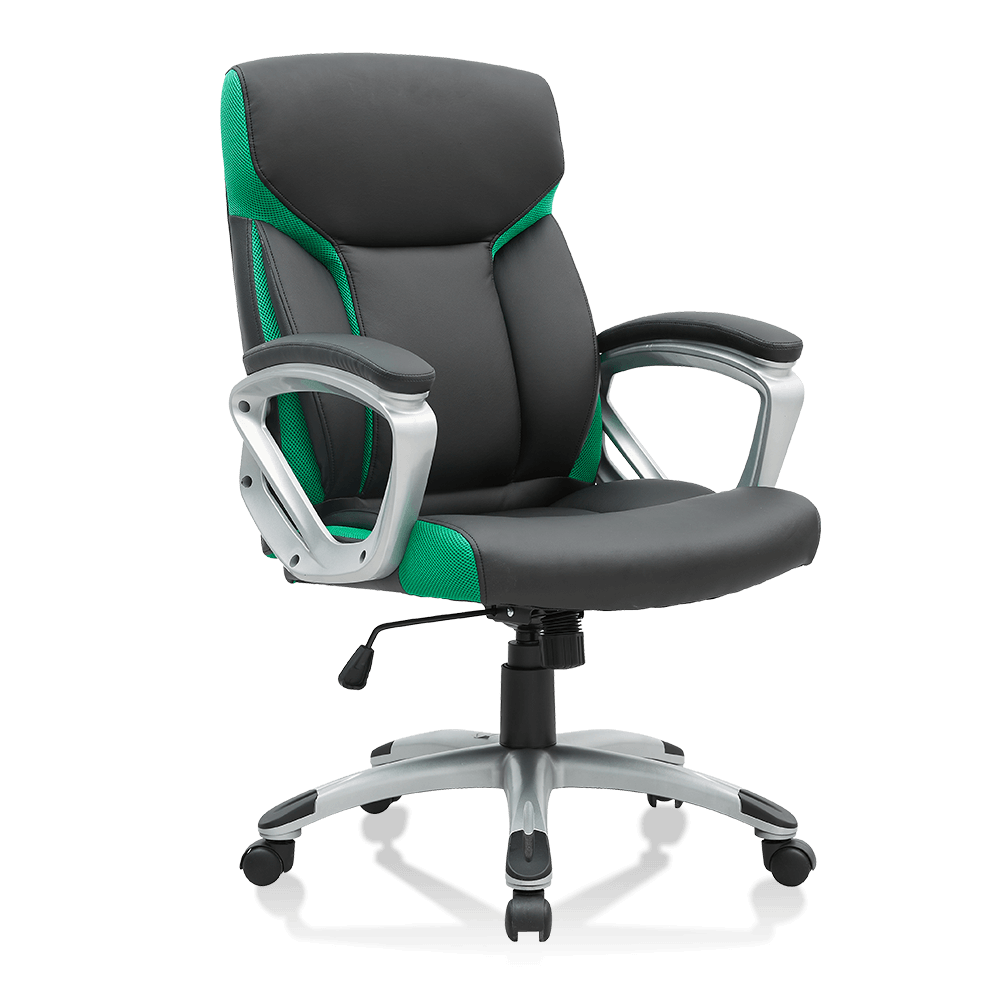 SHINERUN Ergonomic Mid-Back Office Chair with High Weight CapacityMade with high-quality PU fabric, this ergonomic chair fits the body curve and supports up to 150 kg. Its wheels passed a demanding static pressure test, adding reliability for long sitting periods in office settings.View Product →
Choosing the Right PU Leather Material for Your Workspace
No single chair fits every task. The best approach is to match the material and construction to the environment.
- Open-plan offices with high humidity and natural light should prefer anti-hydrolysis PU with a stable backing.
- Meeting rooms and visitor areas need a chair that resists scuffs from frequent movement and occasional laptop bags.
- Heavy-duty workstations may require a larger frame, reinforced arms, and a higher load rating instead of a thin PU cover.
Chairs with an adjustable backrest can also reduce pressure on the PU layer by keeping the user's posture balanced. A high-back PU flip-flop chair, for example, gives the upper back extra support while the seat cover remains low-stress.
 High-Back Executive Office Chair with Flip-Up Armrests and Head SupportThis PU leather chair features adjustable flip-up armrests and a taller backrest for head and neck support. The deepened and widened cushion adds comfort, and its construction aims to reduce stress on the cover, contributing to longer-lasting use.View Product →
Frequently Asked Questions About PU Leather Peeling
Q1: How long does PU leather office chair upholstery last?
In normal office use, standard PU leather can start to crack after two to four years when humidity and temperature are moderate. Anti-hydrolysis PU leather usually lasts longer, especially if the seat foam and stitching are also good. The actual life depends on air humidity, cleaning products, and how many hours the chair is used.
Q2: Can peeling PU leather be repaired?
Small surface cracks can be hidden with repair compounds, but the repair is often visible and may not hold once the backing has been exposed. Replacing the upholstery is more reliable, yet expensive compared with choosing a hydrolysis-resistant material from the start.
Q3: Is anti-hydrolysis PU leather the same as waterproof leather?
No. Anti-hydrolysis describes the resistance of the polymer to chemical breakdown from moisture. Waterproof describes the ability to block liquid from entering. A chair can pass a water-beading test and still fail from humidity on the reverse side of the material.
Q4: Does anti-hydrolysis PU leather cost much more?
The difference in material cost is usually small when compared with the total cost of a chair. In bulk purchasing, choosing hydrolysis-resistant PU can reduce customer complaints, returns, and warranty claims.