


 English
 Español


Office Chair
Ergonomic Office Chair Manufacturers
-
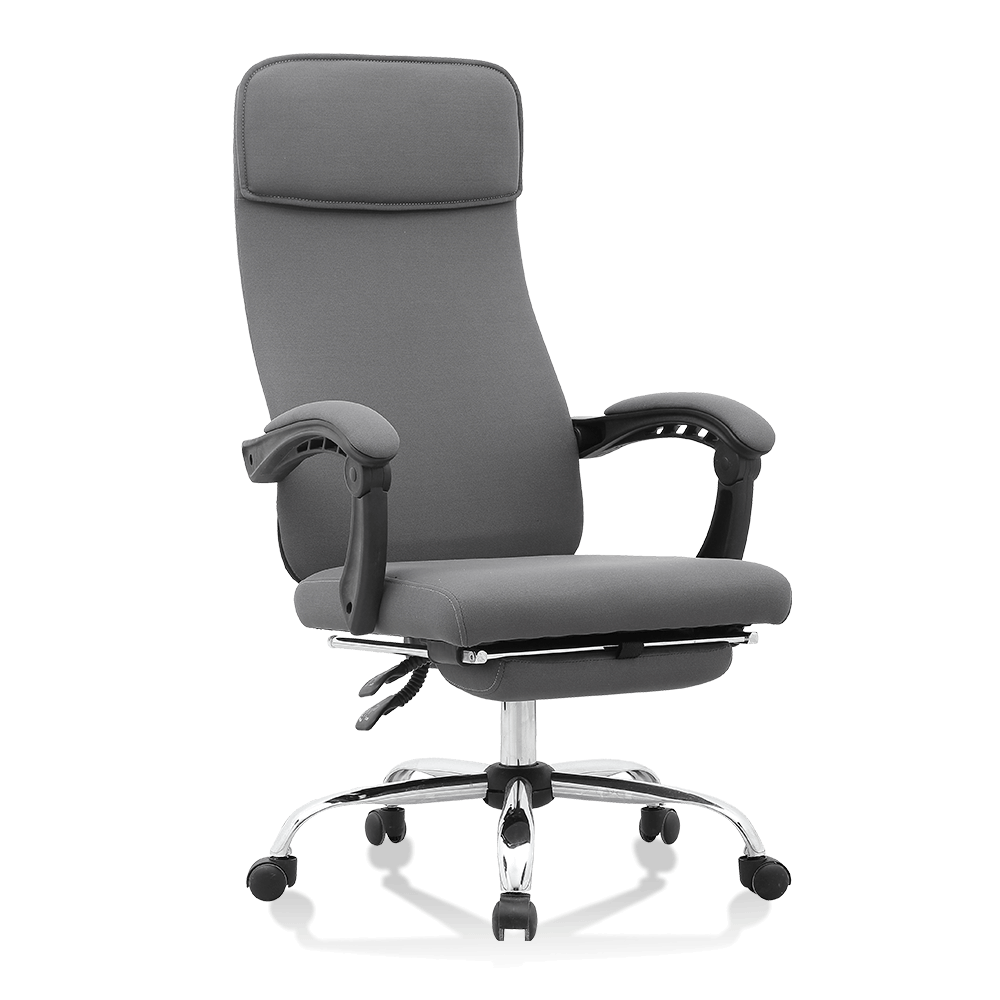
Wholesale Manager Chair High Back Executive Ergonomic Office Chair With Footrest
-
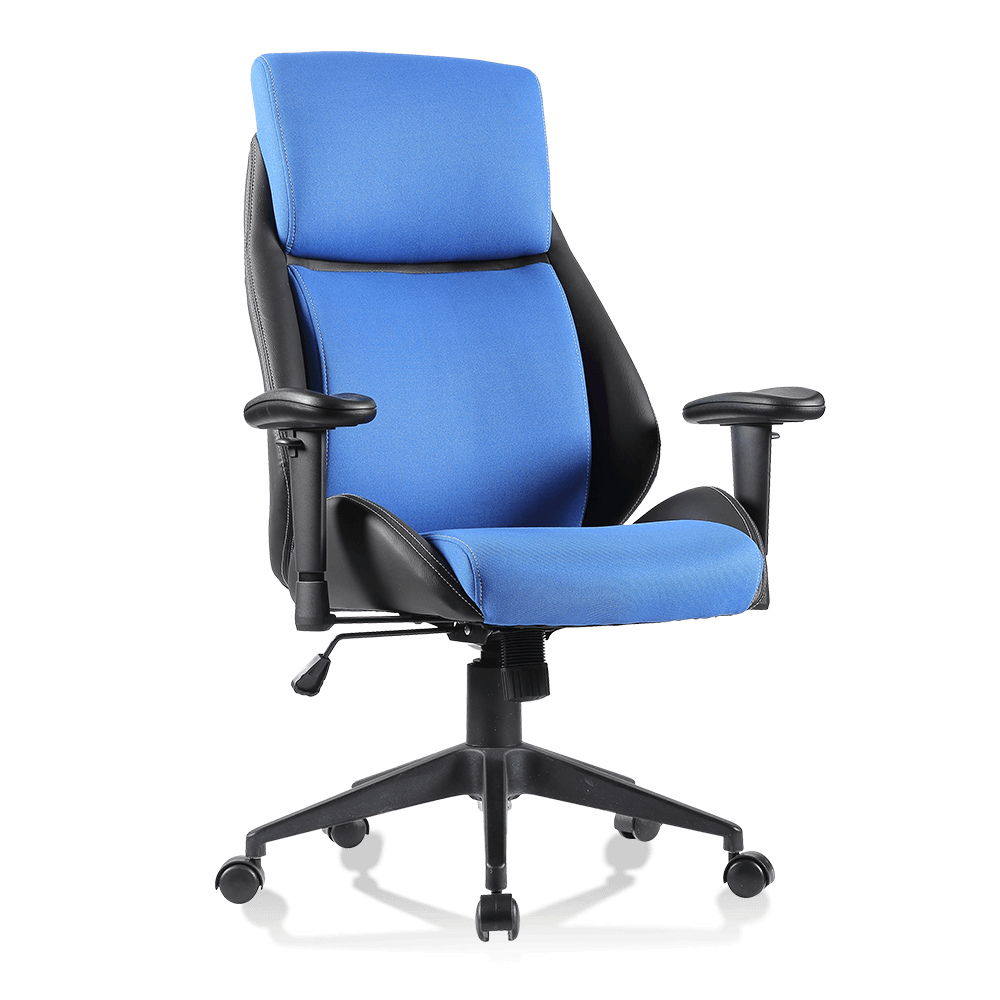
Wholesale Unique Design Ergonomic Office Chair Racing Chair
-
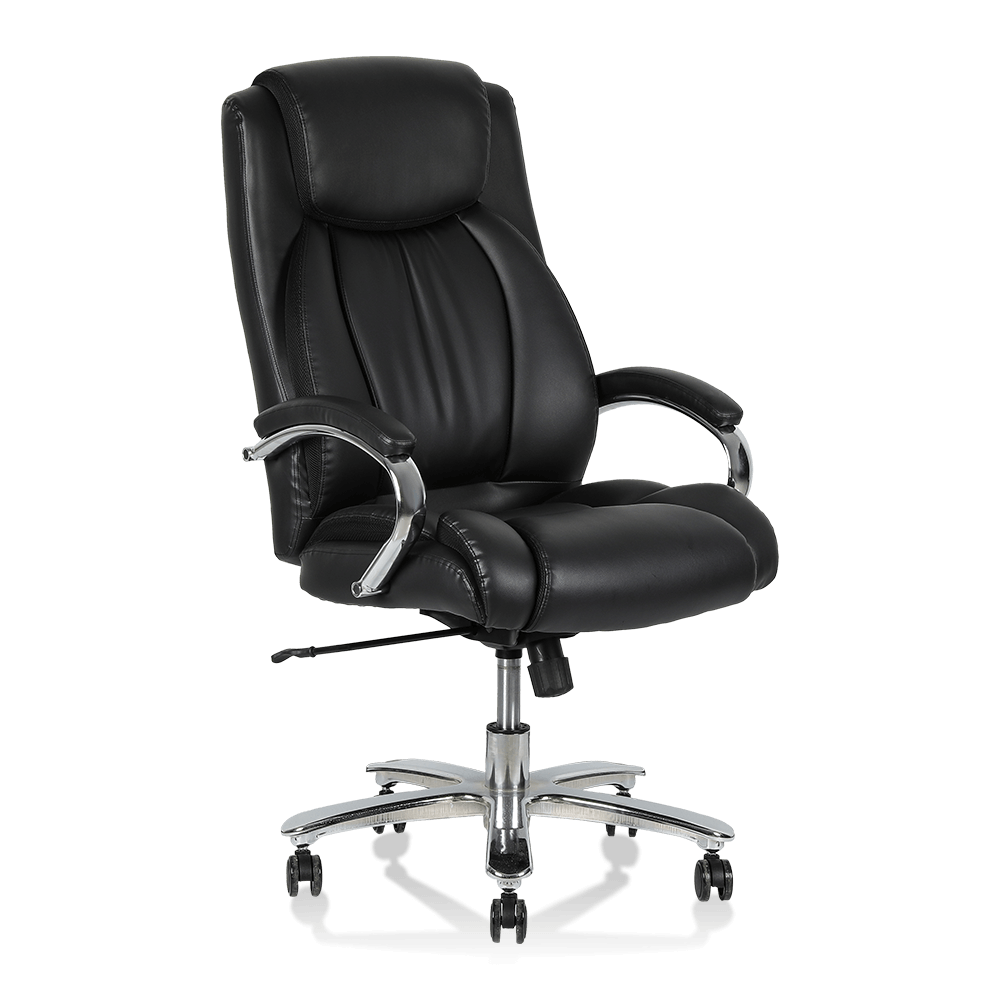
Wholesale High Quality Boss Heavy Duty Executive Chair Office Chair
-
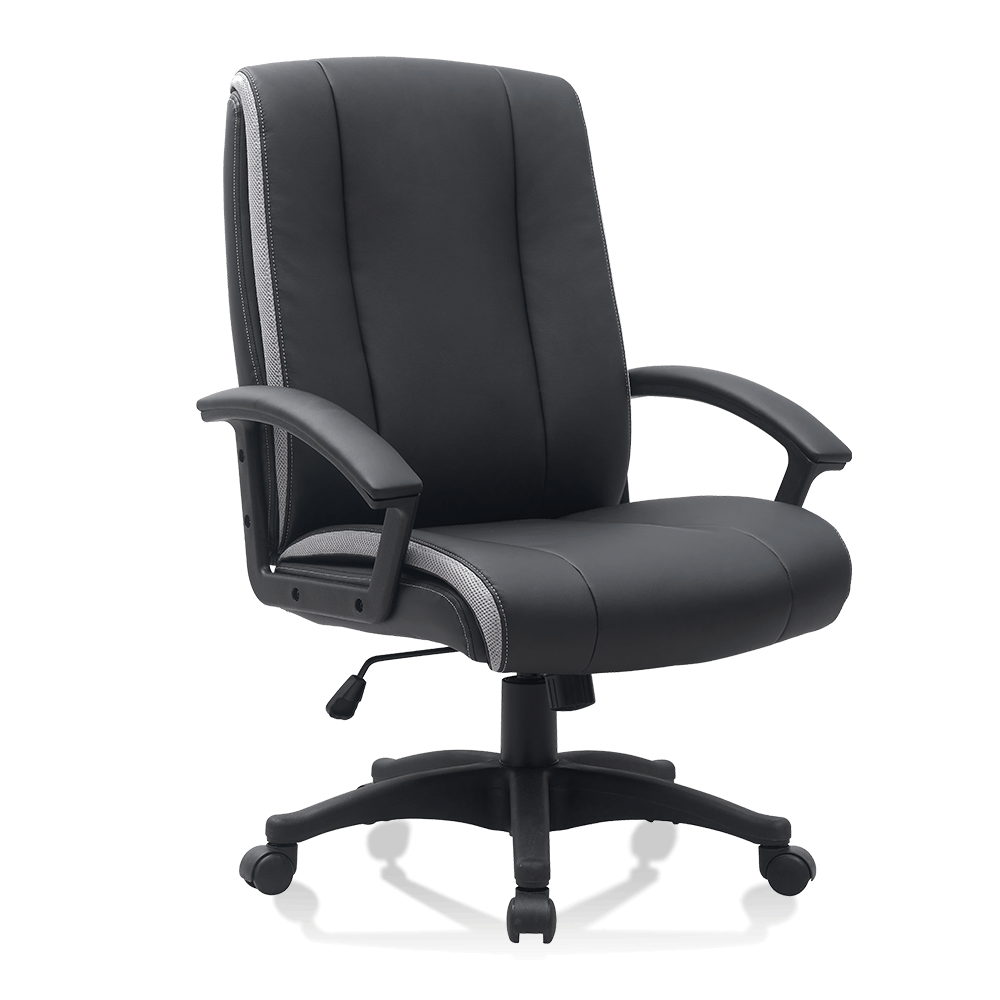
Factory Direct Sale Wholesale Pu Leather Office Chair Mid Back Ergonomic Executive Manager Chair
-
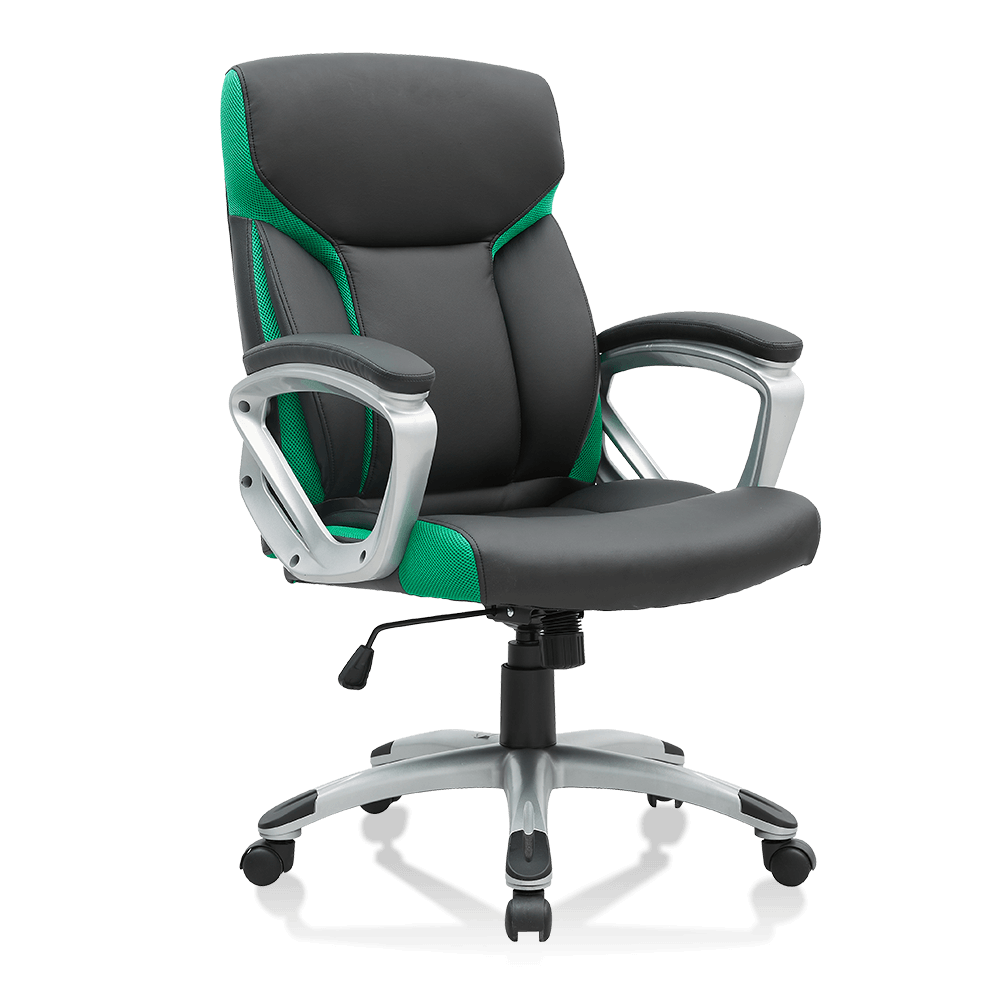
SHINERUN Executive Office Chair with Mid Back
-
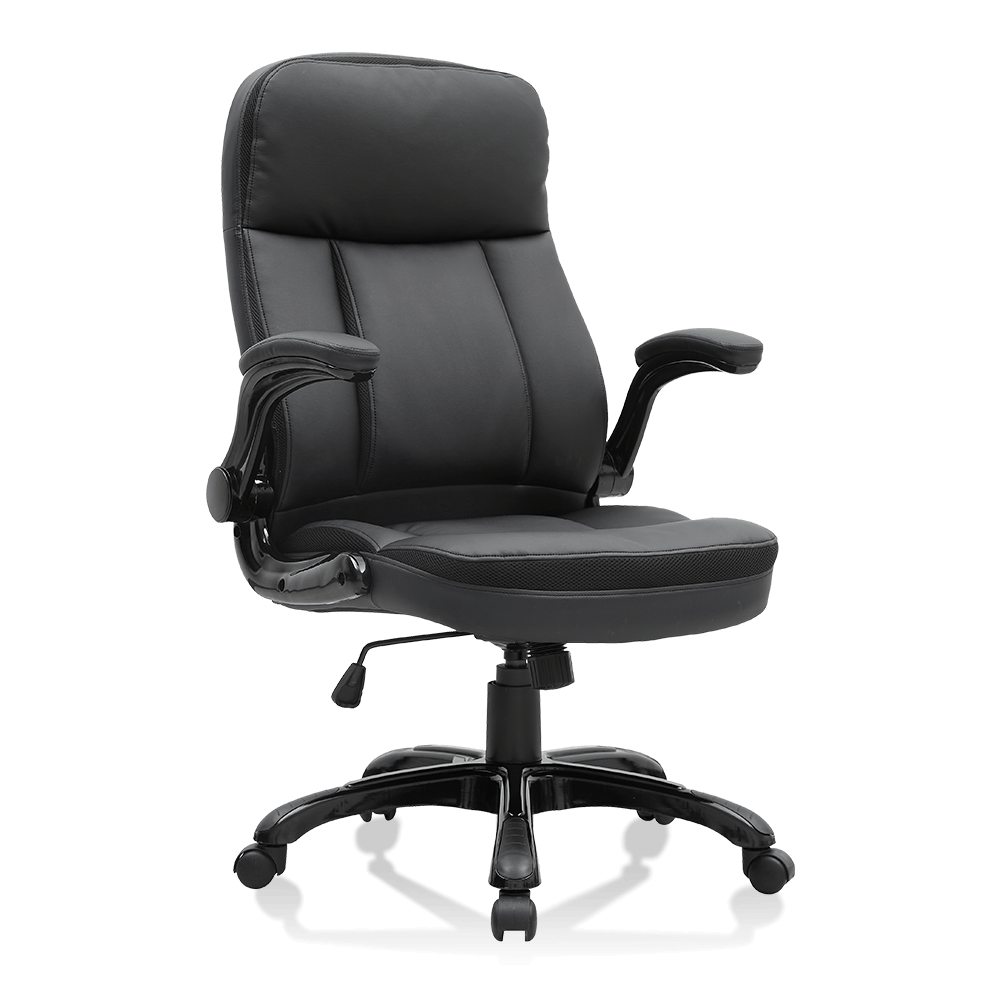
Wholesale High Quality Office Chair Swivel chair Flip-up Armrest Computer Chair
-

Adjustable Pu Leather Luxury Swivel Boss Chair Executive Computer Office Chairs For Adult
-

New Design High Back PU Leather Office Chair Adjustable Height Armrest Executive Chair Swivel Ergonomic Manager Office Chair
-
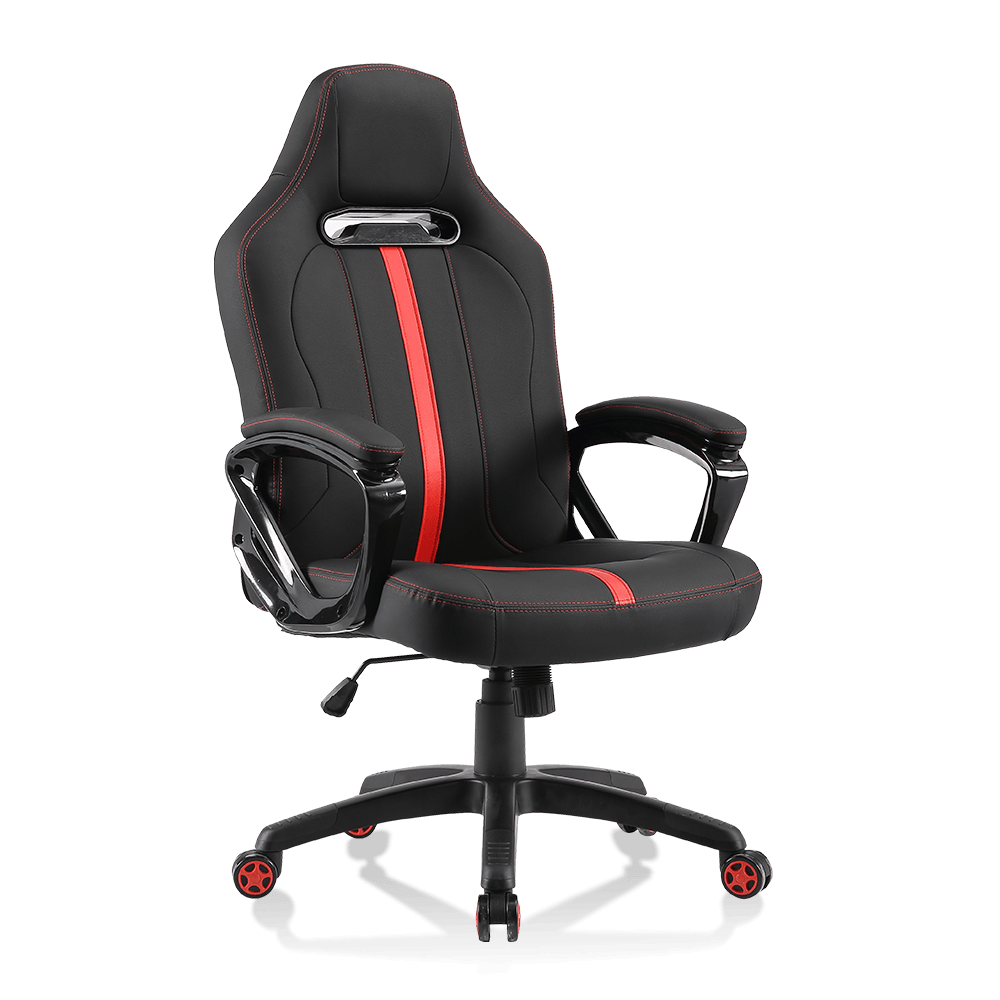
SHINERUN Wholesale High Quality Children Gaming Office Chairs
-

SHINERUN Wholesale Linkage Armrest Executive Office Chair With Footrest
-
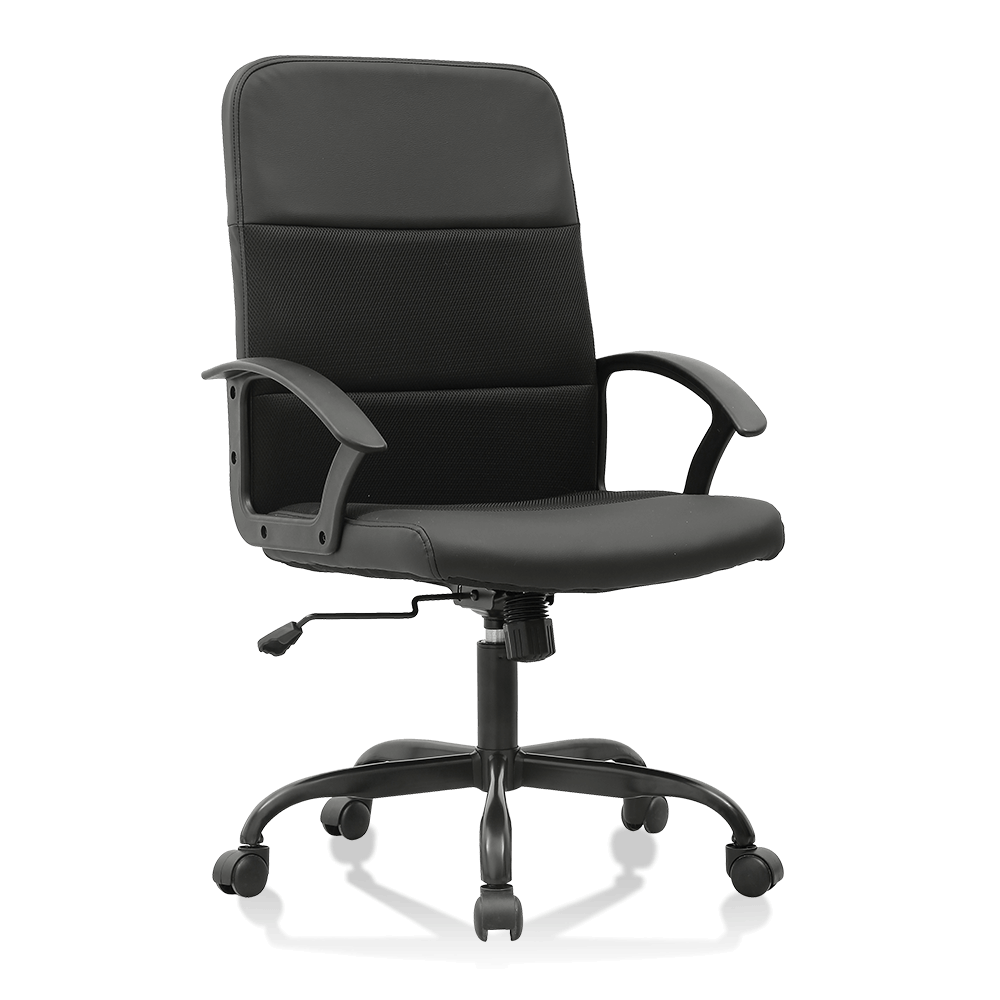
Luxury Cheap Price Commercial High Quality Reclining Middle Back Ergonomic Leather Executive Office Chair
-
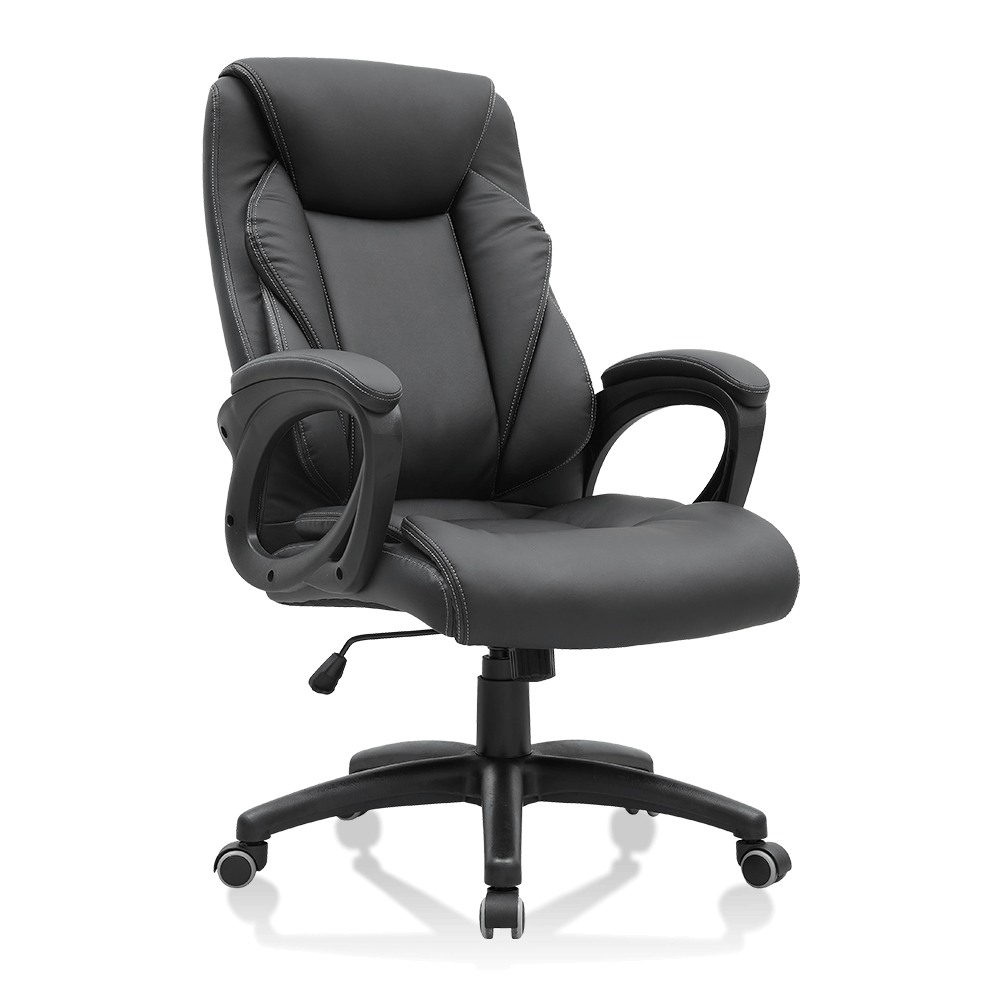
OEM&ODM Height Adjustable Leather Computer Chair Luxury Office Chair
-
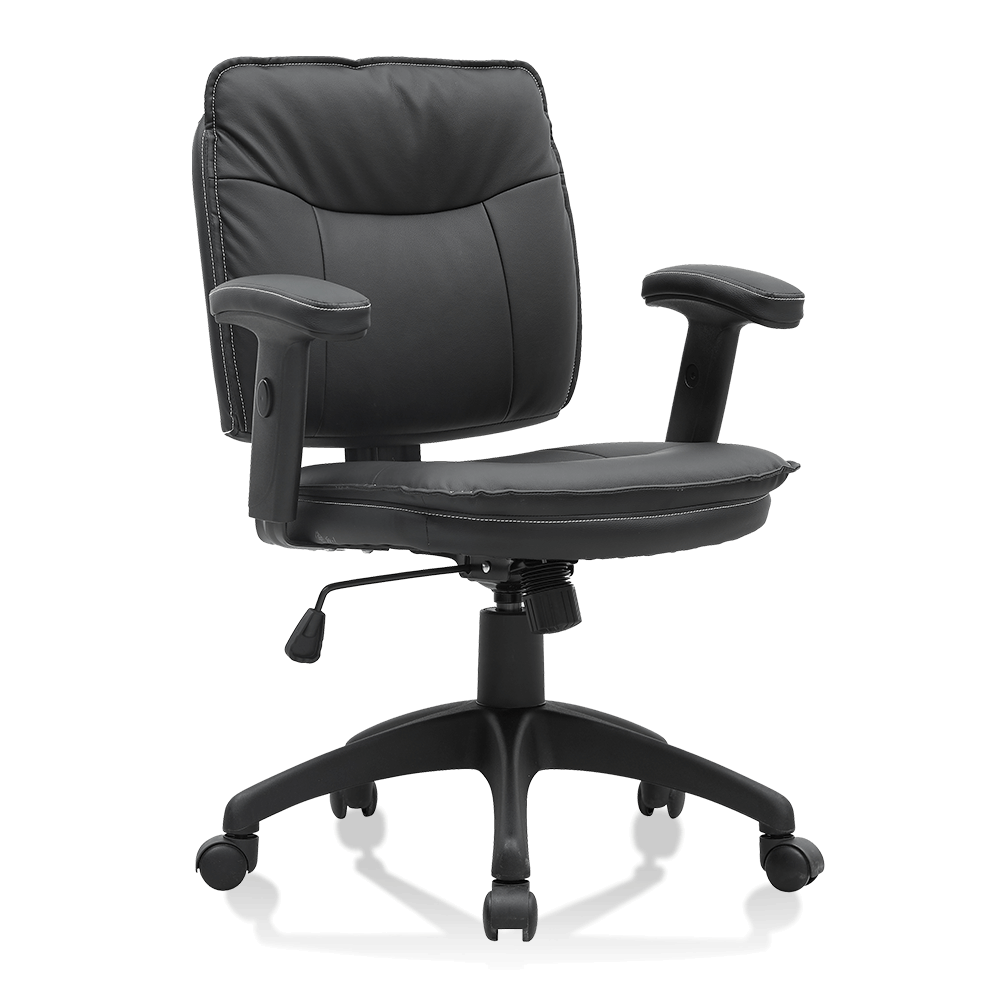
Best price Ergonomic Luxury Modern Low Back Task Chair Pu Pvc Swivel Office Chair
-
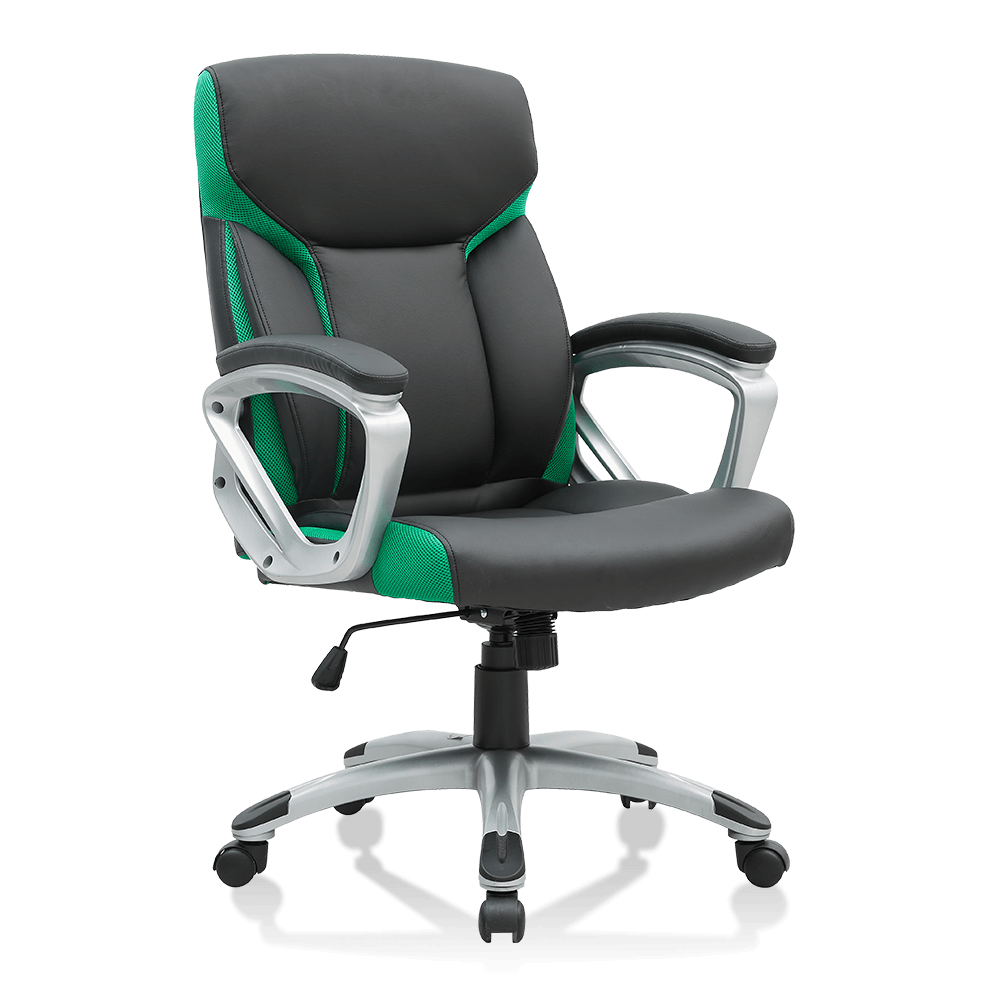
Mid-Back Office Computer Task Desk Chair with Padded Armrests
-
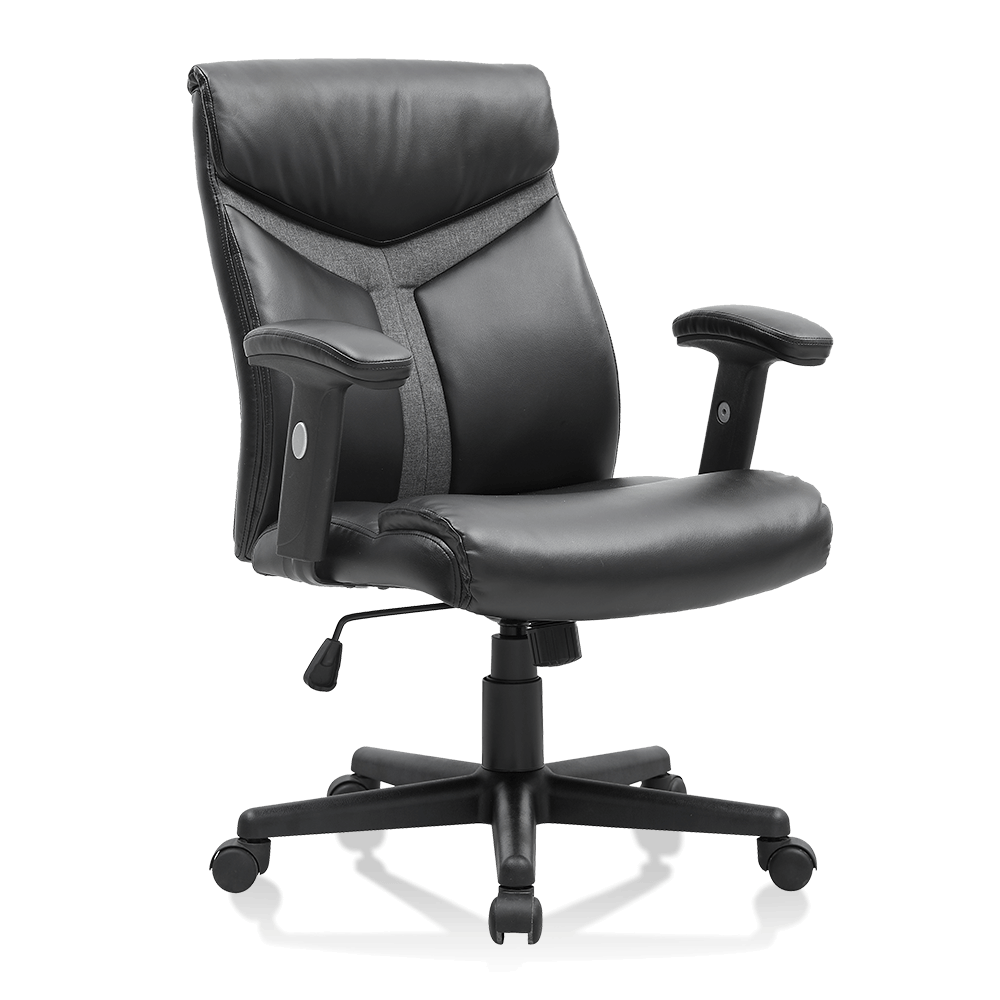
SHINERUN High Quality Classic Office Desk Computer Chair
-
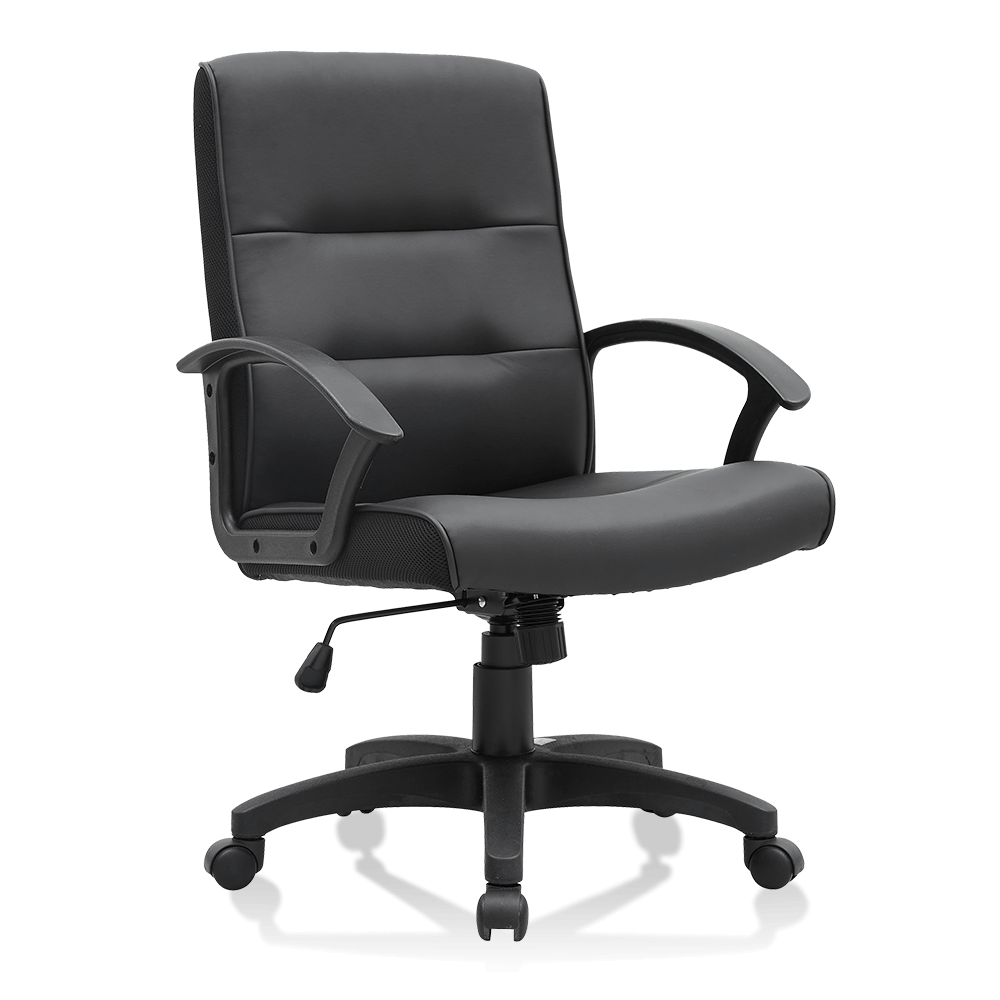
Black Leather Office Chair Mid Back Leather Desk Chair Modern Excutive Office Chair
Comfort Starts Here
-
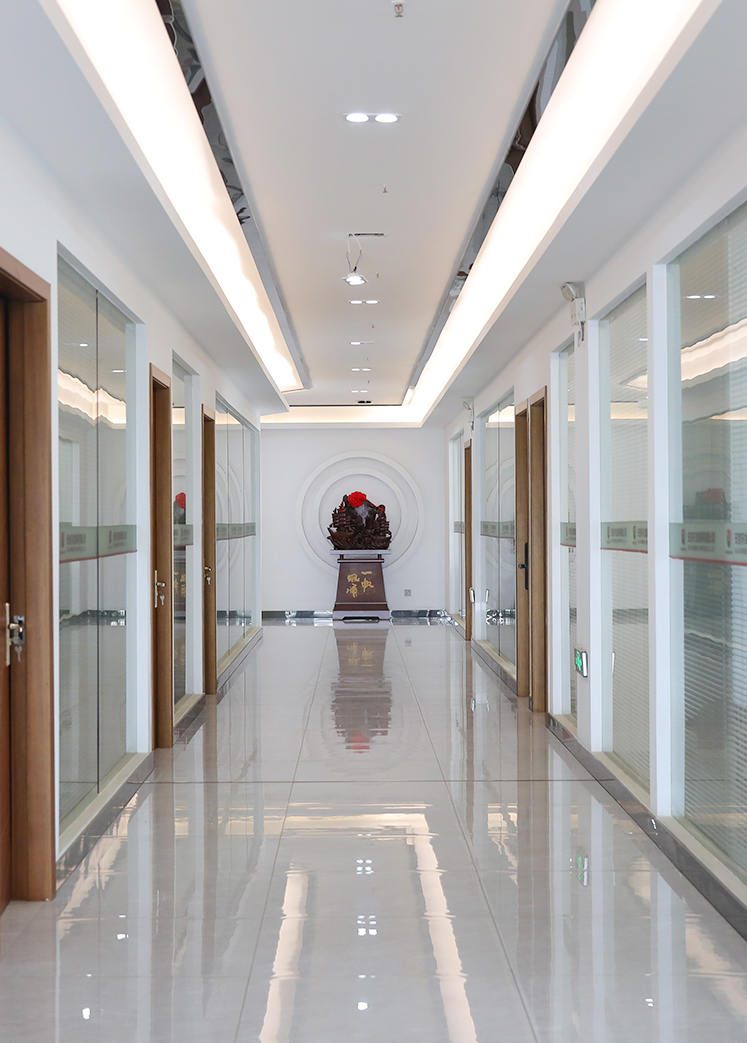
Company Culture
Satisfying the needs of customers is our eternal pursuit
Enterpreneurial spirit
Forge ahead Pragmatic and efficient surpass oneself Keep improvingCorporate philosophy
Management: Scientific Management Timeliness: Providing the customer's need for fast and speedy service. Leadership: Product, concept, technology, and service lead the country, and catch up internationally Perfection: the pursuit of zero-defect product qualityCompany mission
Enterprise beauty Space beauty Life beauty -
Business philosophy
Quality-oriented World-mind Transcendence Harmony GratitudeBusiness philosophy
Excellent product Reasonable price Large market Complete service Clients are godsTeam spirit
Common progress Common development Common prosperity Common benefit
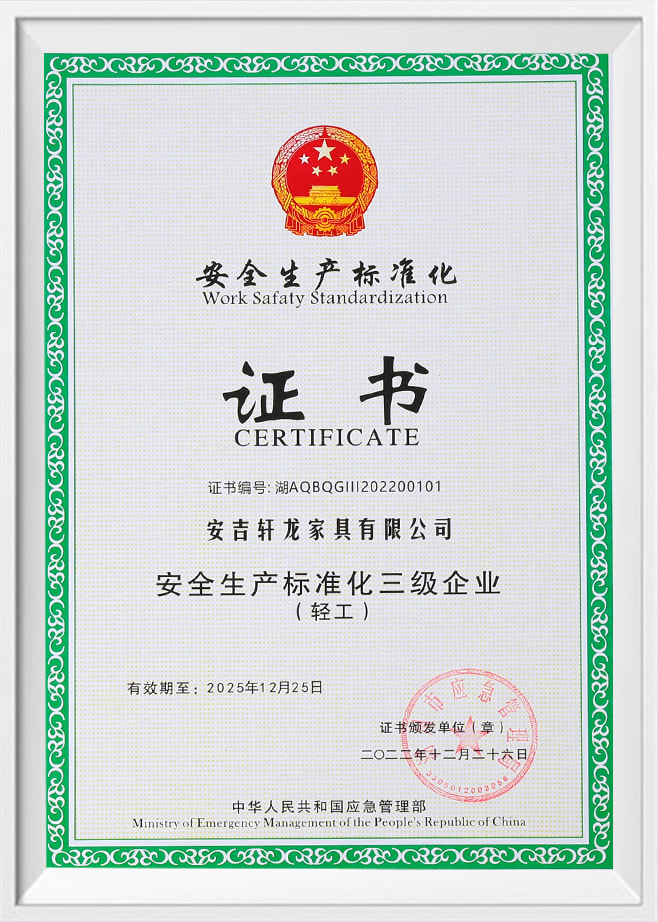
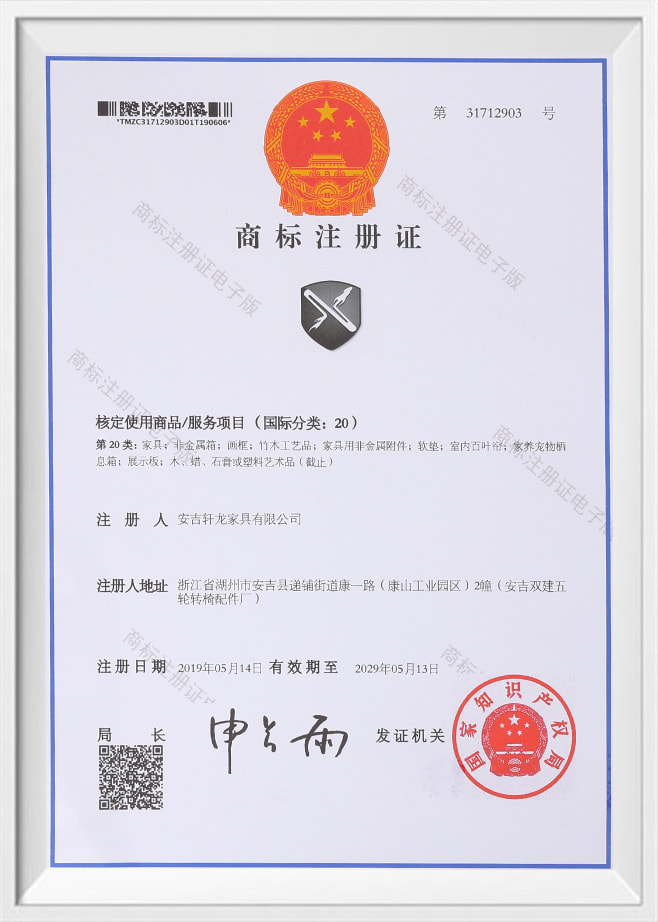
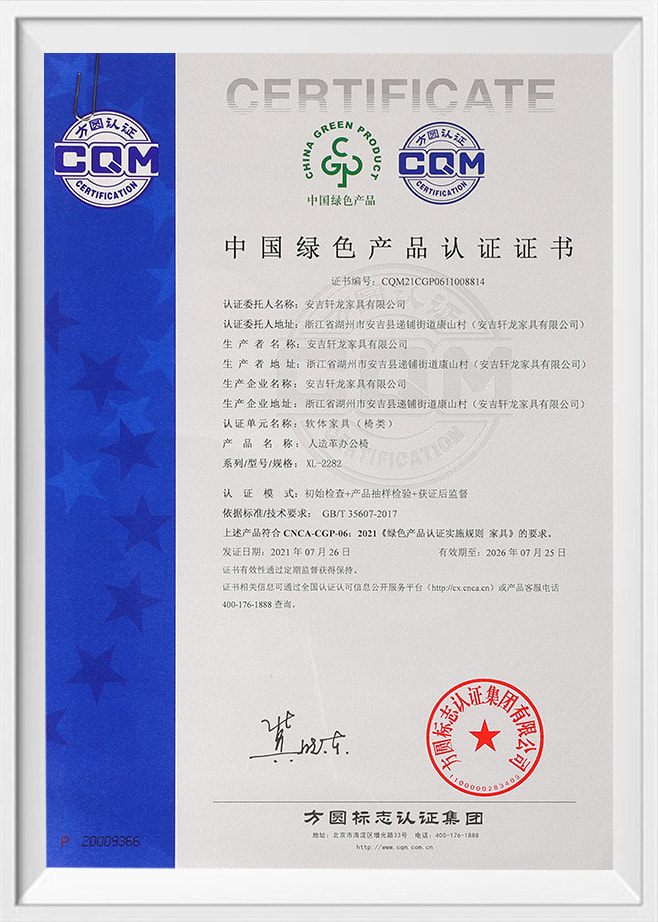
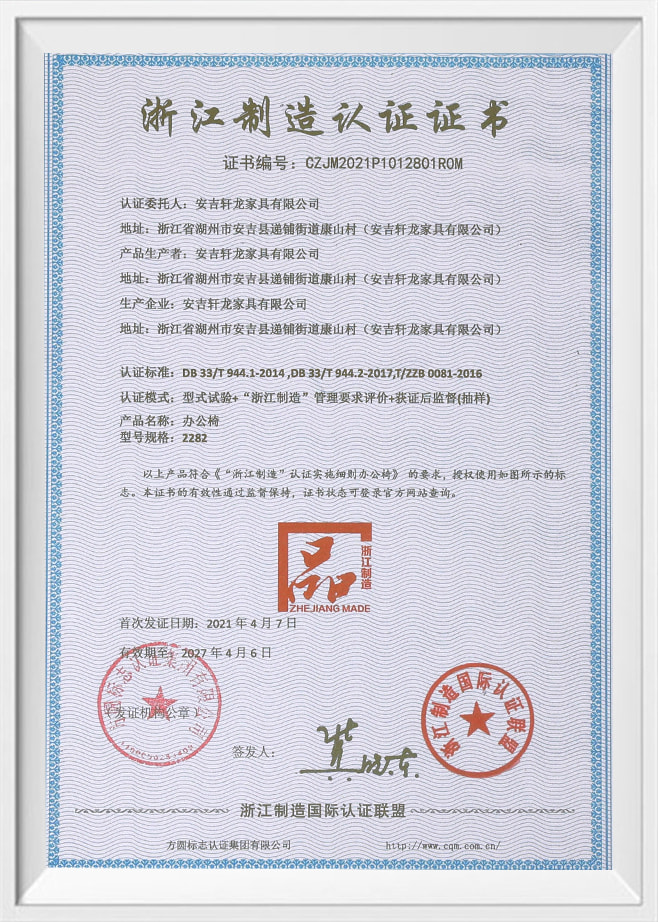
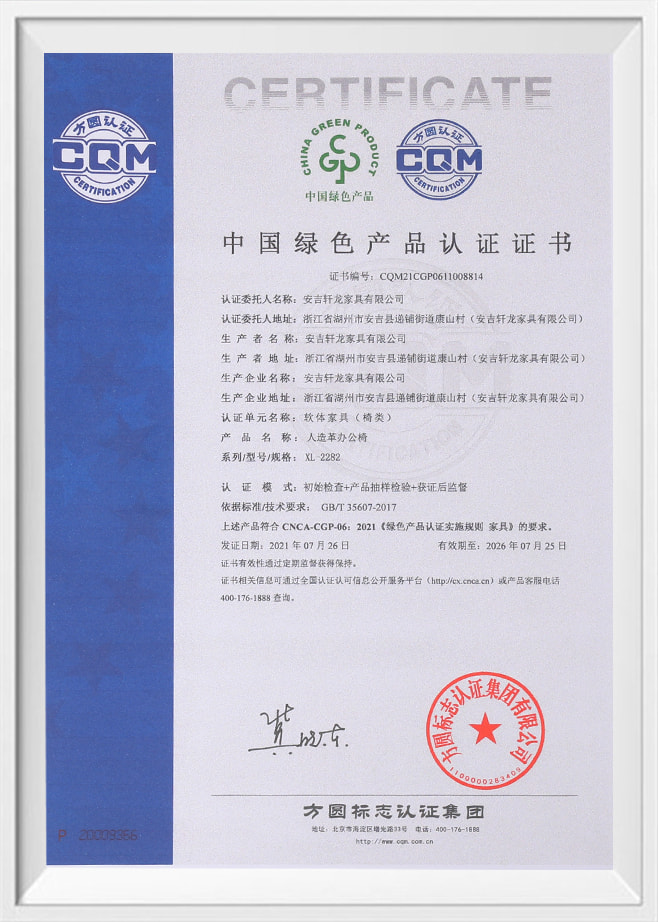
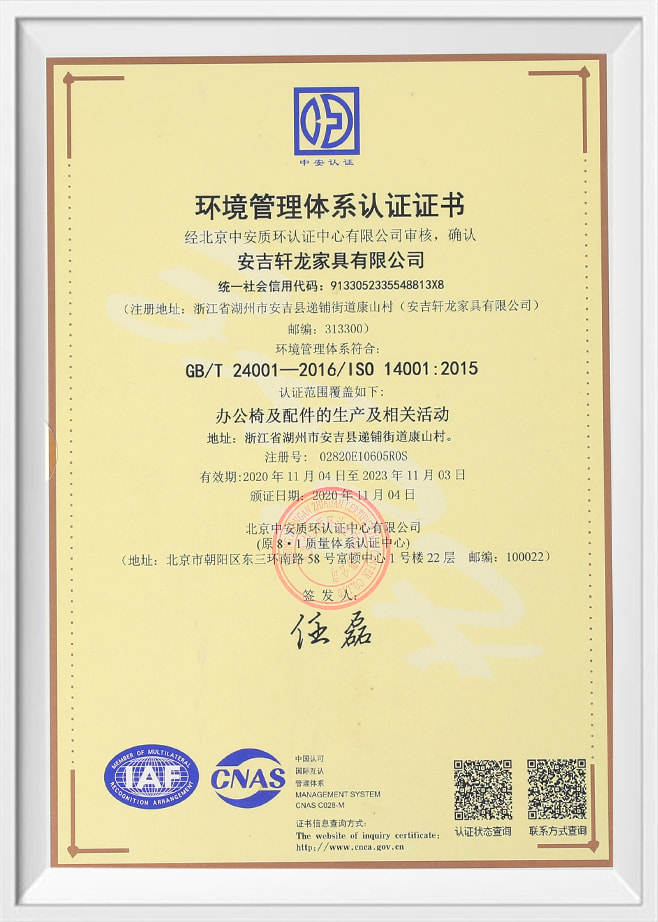
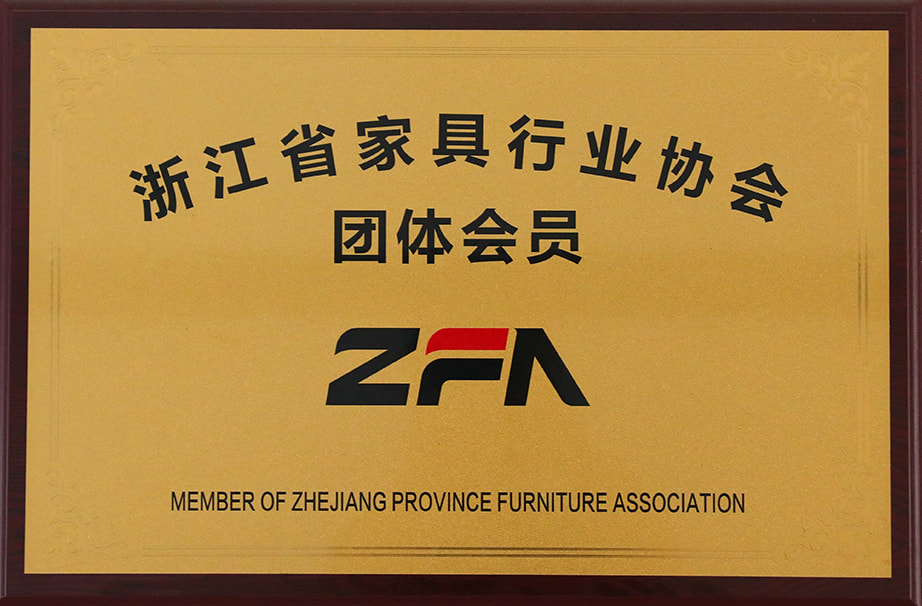
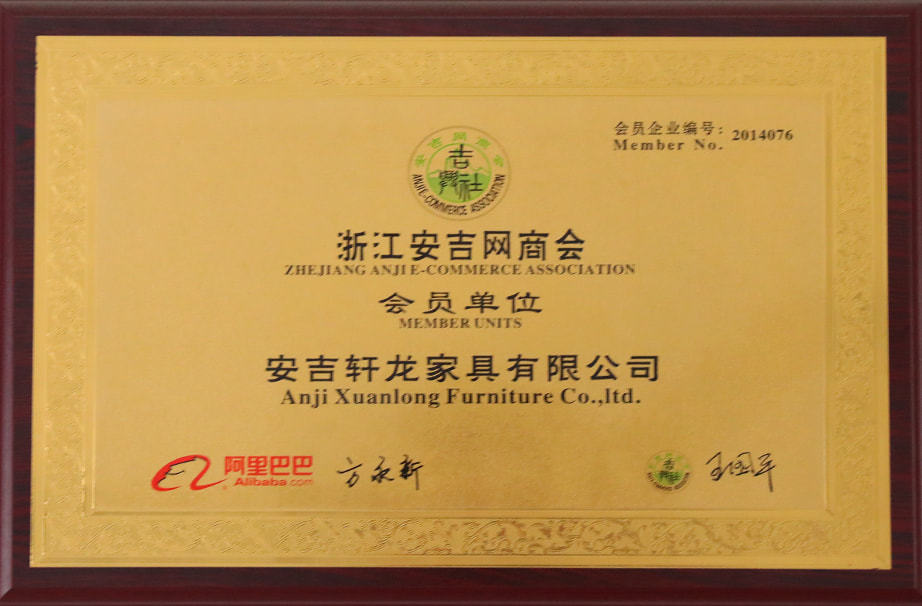
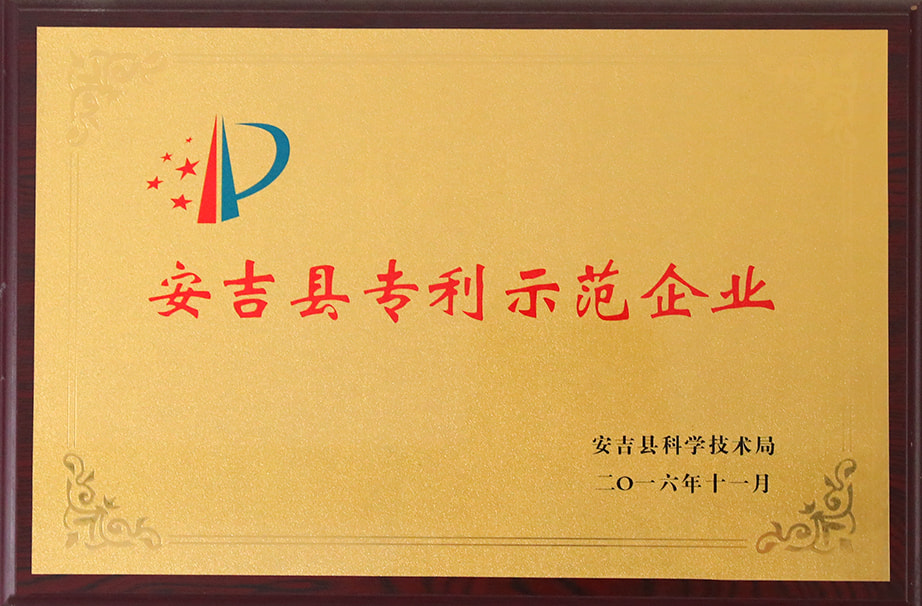
Patent Certificate
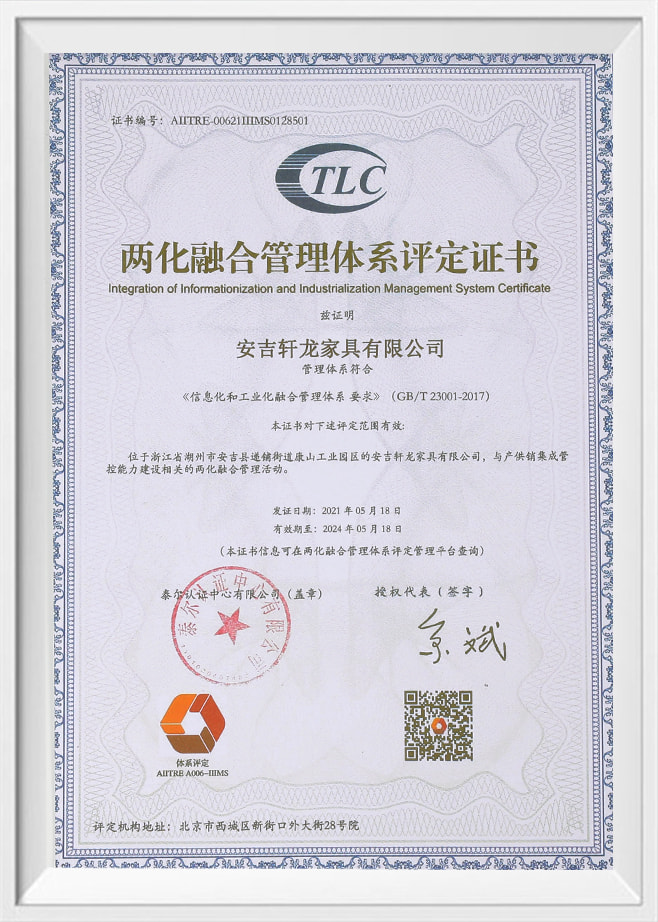
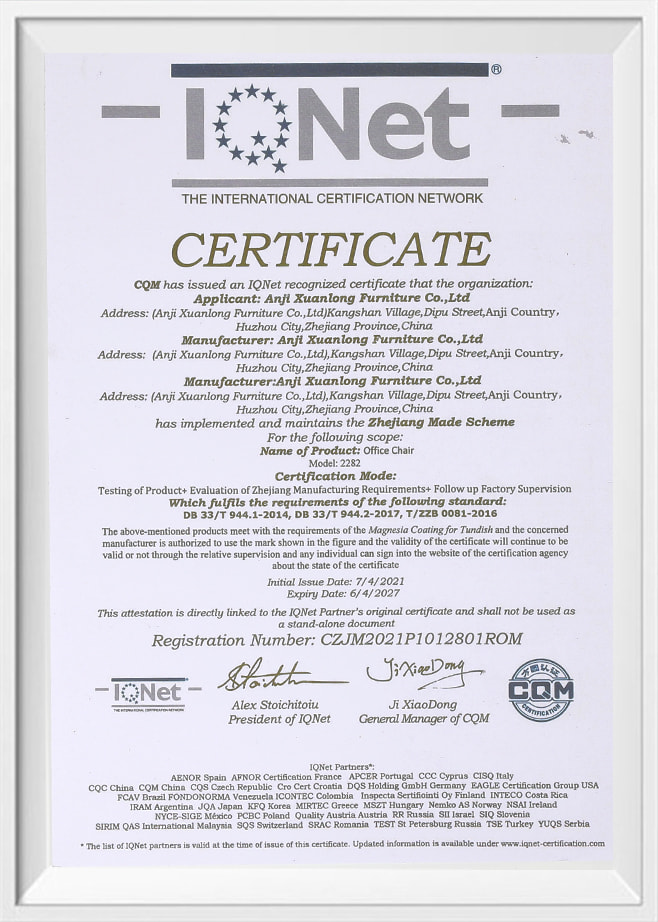
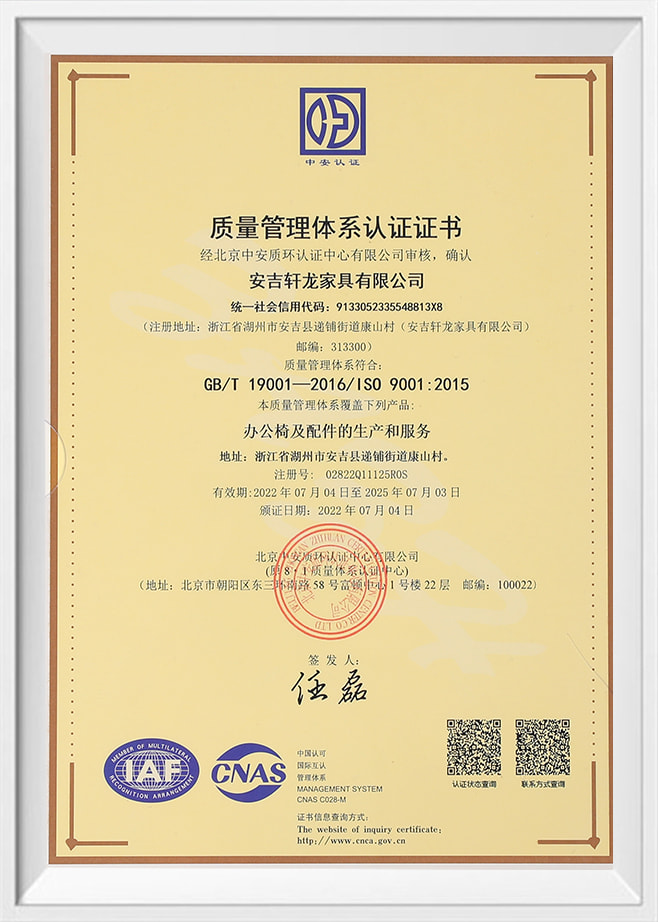
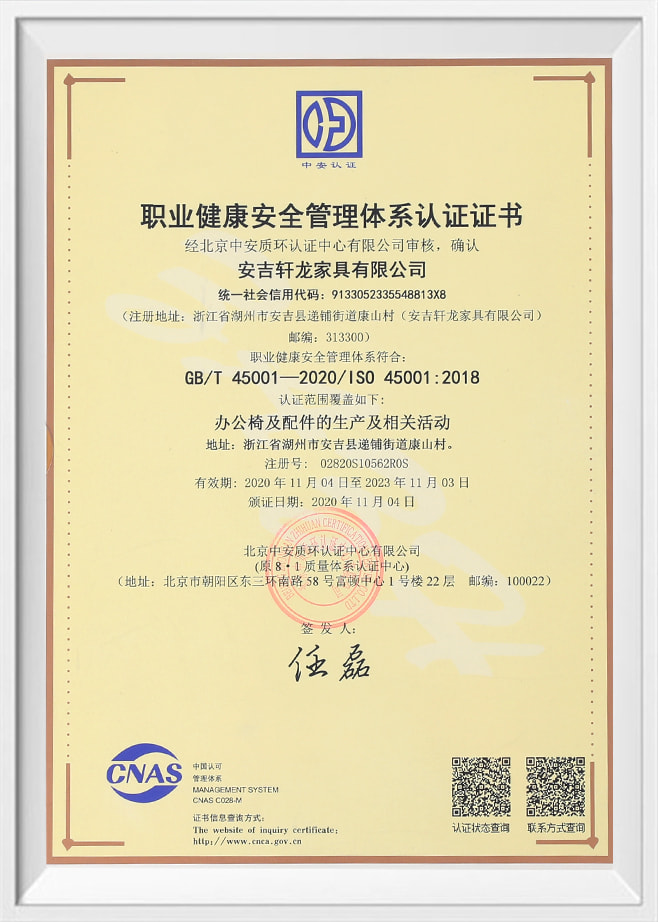
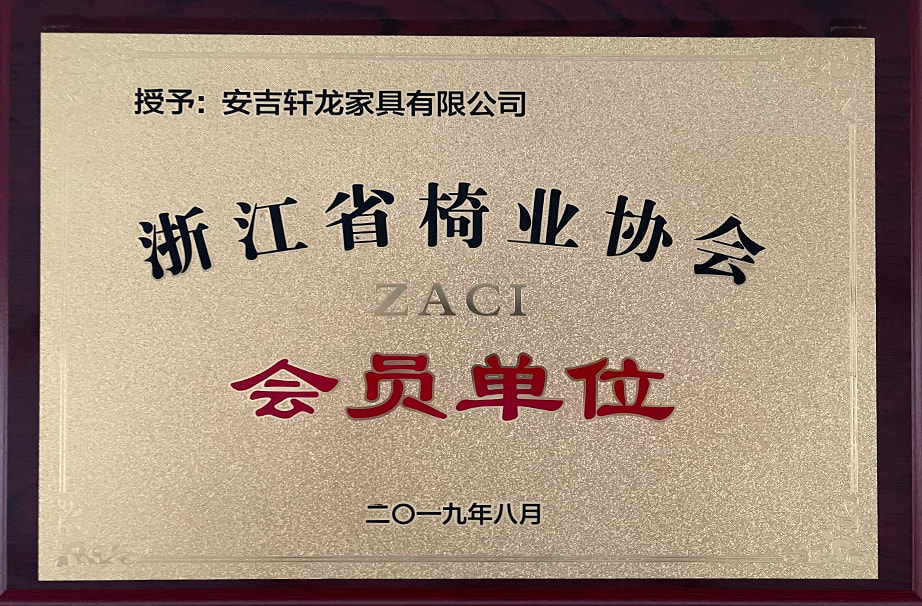
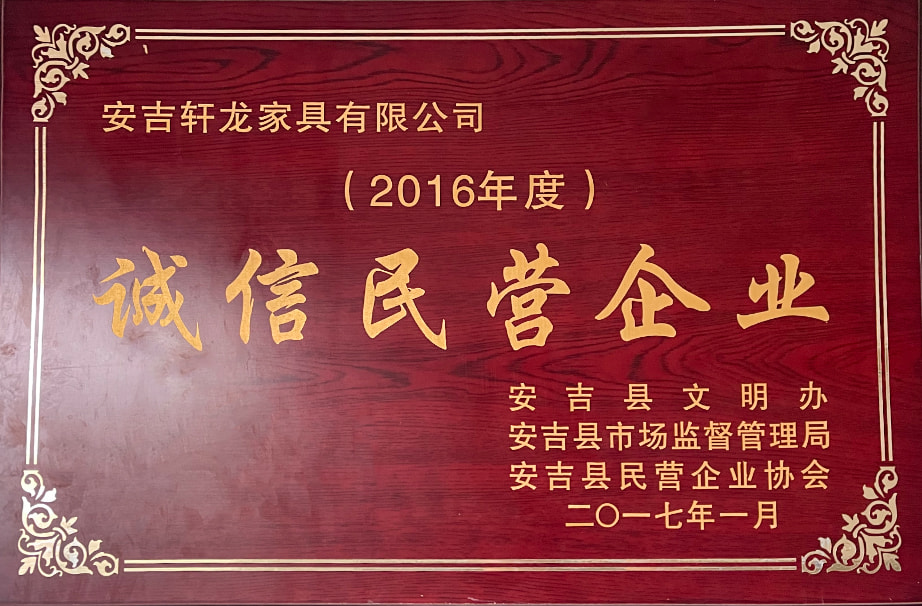
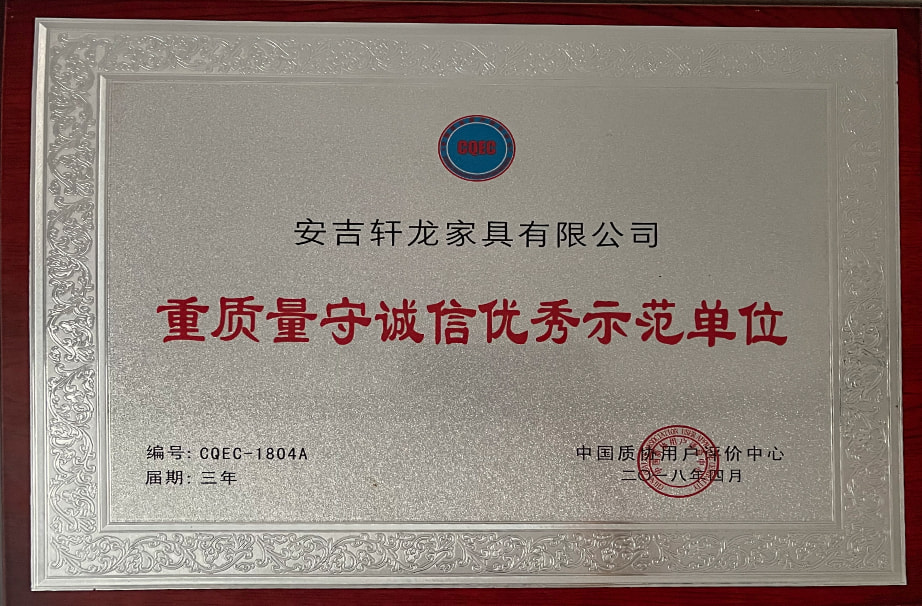
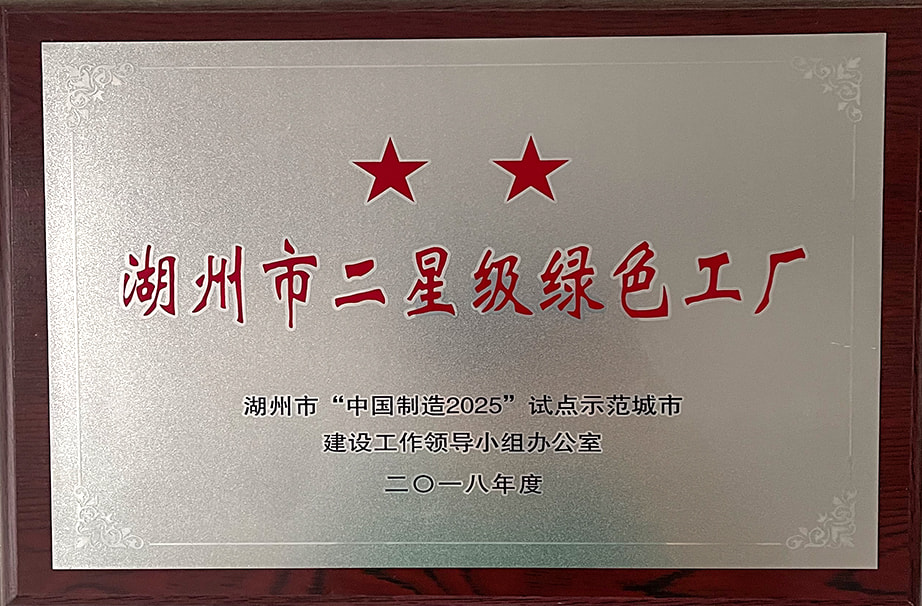
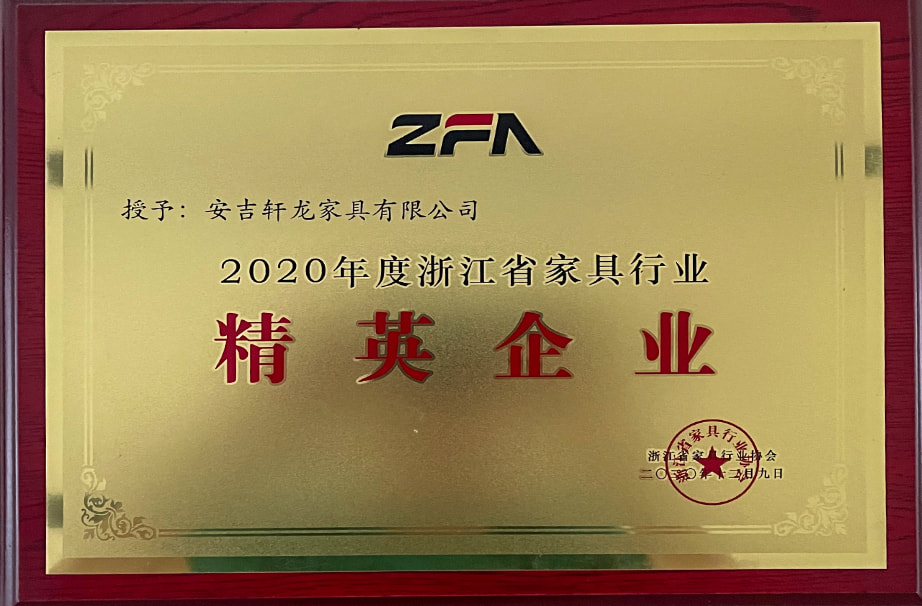
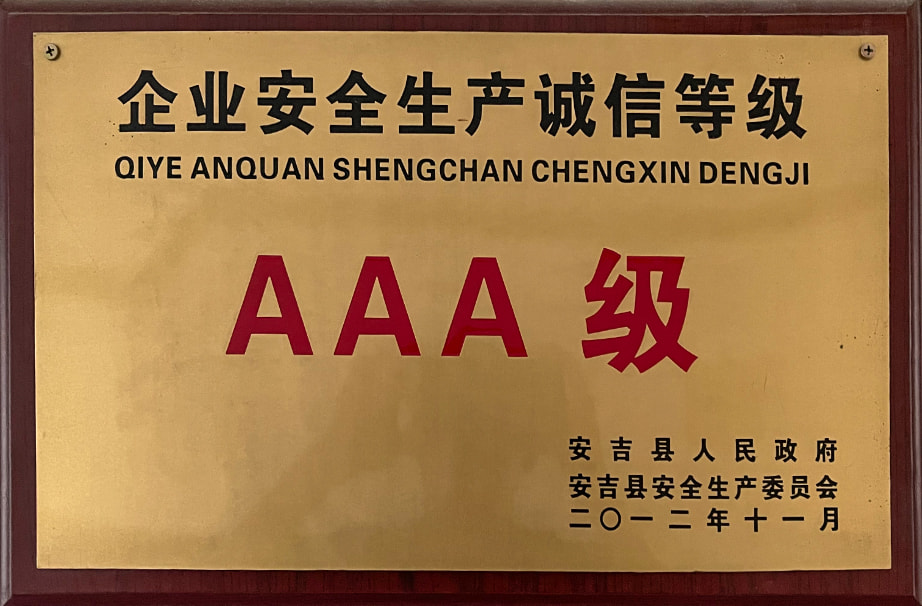

Latest Updates
View More-
2026.10.12
PU Leather Office Chair Peeling: Causes and Anti-Hydrolysis Material Guide
PU leather office chairs offer an appealing balance of style, comfort, and affordability. The material looks close to genuine leather, wipes clean easily, and fits into almost any workspace. However,...Read More -
2026.10.08
High-Back vs Mid-Back Leather Executive Chairs: Ergonomic Support and Office Layout
Choosing between a high-back and a mid-back leather executive chair is more than a matter of style. It affects how your spine is supported through long working hours, how much freedom your shoulders ...Read More -
2026.10.01
Butterfly vs Frog Tilt: Why High-End Gaming Chairs Need Multi-Functional Chassis
The chassis is the mechanical heart of a gaming chair. When buyers compare butterfly mechanism vs frog tilt mechanism, they often focus on the names, but the real question is whether the chair can su...Read More -
2026.09.24
Reclinable Leather Office Chairs with Footrests: Durability for Daily Commercial Use
An office chair that looks refined on the first day is easy to find. A reclinable leather office chair with footrest that still reclines smoothly after a year of constant leaning, pulling, and footre...Read More -
2026.09.17
How Built-in Massage Mechanisms Impact Gaming Chair Frame Stability & Weight Capacity
Built-in massage mechanisms have moved from a novelty to a mainstream feature in gaming chairs. They add comfort and perceived value, but they also add hardware to a structure that is already respons...Read More -
2026.09.11
Leather vs Fabric Gaming Chairs: Durability & Breathability for Commercial Brands
Selecting the right seating material is one of the most consequential decisions a commercial buyer makes. The leather vs fabric gaming chair decision affects product perception, user comfort, long-te...Read More
Industry Knowledge
How can an office chair alleviate discomfort from prolonged sitting?
As global work models continue to evolve, the office chair has transformed from a traditional piece of office furniture into a crucial element influencing employee health, work efficiency, and the quality of corporate work environments. Especially with the widespread adoption of digital offices and the normalization of sedentary work, the design, structural performance, and ergonomic value of an office chair are attracting increasing attention from corporate buyers and end-users.
For many purchasing decision-makers, choosing an office chair is no longer just about completing a furniture purchase; it is about finding a balance between office comfort, employee health management, and long-term operating costs. So, what kind of office chair does a modern office environment truly need? And what key factors determine a product's market competitiveness?
Why has the office chair evolved from a basic office supply to an ergonomic product?
In the past, the core function of an office chair was primarily focused on meeting basic seating requirements. However, as office hours have increased, people have gradually realized that traditional office chairs cannot meet the comfort and health requirements of modern working environments.
From a biomechanical perspective, in a static sitting posture, the spine, lumbar vertebrae, and pelvic region continuously bear pressure. If the chair back fails to provide effective support, the body's center of gravity gradually shifts forward, causing the back muscles to remain under constant tension. Over time, this load not only reduces workplace comfort but can also negatively affect productivity.
As a result, modern office chair development increasingly focuses on ergonomics. Manufacturers now establish more scientific support systems through research into spinal curvature, joint mobility, and pressure distribution characteristics.
This transition signifies that office chairs have evolved from simple furniture products into comprehensive solutions integrating industrial design, ergonomic research, and advanced manufacturing technologies.
What is the core value of a high-quality office chair?
For professional buyers, the value of an office chair is reflected not only in its visual design but also in its long-term performance and reliability.
The Scientific Design of the Support System
An excellent office chair provides continuous and balanced support based on the body's natural sitting posture. It helps maintain the proper curvature of the lumbar spine while minimizing localized pressure points.
This support is not achieved merely through soft cushioning materials. Instead, it results from a combination of backrest engineering, lumbar support mechanisms, and dynamic movement systems that work together to promote healthy posture throughout the workday.
The Adaptability of the Adjustment System
Modern workplaces accommodate users with varying heights, body types, and working habits. Therefore, office chairs must offer a high degree of adjustability.
Features such as adjustable headrests, armrests, seat depth settings, and reclining mechanisms are designed to improve the compatibility between the user and the chair.
The true ergonomic value of an office chair is achieved when the chair adapts to the user rather than forcing the user to adapt to the chair.
How does manufacturing capability affect the market performance of office chairs?
Within the global office furniture industry, product design is important, but manufacturing capability often determines long-term competitiveness.
Office chairs are highly engineered products consisting of multiple critical components, including gas lift systems, tilt mechanisms, connection assemblies, and load-bearing structures. Variations in quality at any stage can directly affect the user experience.
For this reason, established manufacturers typically develop a complete operational framework covering product development, production management, and quality assurance.
As a professional office chair manufacturer in China, Anji Xuanlong Furniture Co., Ltd. has been dedicated to the office furniture industry since its establishment in 2015. The company operates a 35,000-square-meter production facility and employs 470 staff members, creating an integrated system that covers research and development, manufacturing, and quality control.
During product development, the company's R&D team continuously refines product structures, functional configurations, and aesthetic designs by combining customer requirements with evolving international market trends.
Why is the global market paying more attention to ergonomic office chairs?
In recent years, demand for ergonomic office chairs has experienced consistent growth. This trend reflects a broader transformation in workplace expectations rather than a temporary market phenomenon.
Growing Focus on Employee Health
Organizations are increasingly prioritizing employee well-being as part of their overall business strategy. Studies indicate that a comfortable working environment contributes to improved concentration, higher job satisfaction, and enhanced workplace performance.
For knowledge-intensive industries in particular, workplace furnishings can significantly influence employee productivity. Consequently, high-quality office chairs have become a central component of office environment optimization projects.
The Rise of Remote and Hybrid Work
The expansion of remote and hybrid work arrangements has further accelerated demand for ergonomic seating solutions.
Traditionally, office chairs were primarily purchased by businesses. Today, individual consumers are also investing in ergonomic products, placing greater emphasis on long-term comfort, support, and health benefits.
This shift in purchasing behavior is encouraging the office chair industry to move beyond functionality and focus increasingly on health-oriented product value.
What do international buyers look for when selecting office chair suppliers?
For overseas buyers, evaluating a supplier involves much more than assessing the product itself. A supplier's overall capabilities play a critical role in determining the success of a long-term partnership.
Research and Development Capabilities
As market requirements evolve, manufacturers with independent research and development capabilities are better positioned to respond quickly to customer demands and develop customized solutions for different markets.
Anji Xuanlong Furniture Co., Ltd. maintains a professional R&D and design team dedicated to continuous innovation, enabling the company to provide office chair solutions tailored to diverse customer needs worldwide.
Quality Assurance Systems
In international trade, consistent product quality often provides greater value than short-term pricing advantages.
The company employs 23 professional quality inspectors who oversee raw material inspections, production processes, and finished product evaluations to ensure reliable product performance and compliance with customer expectations.
Export Experience
Export experience is another critical factor when evaluating suppliers.
With approximately 95% of its products exported to overseas markets, Anji Xuanlong Furniture has developed extensive expertise in international product standards, packaging requirements, and logistics management, helping customers achieve smoother procurement experiences.
Key Factors That Influence Office Chair Support Performance
| Support Area | Function |
| Head and Neck Support | Helps reduce cervical strain and supports natural head positioning. |
| Back Support | Maintains spinal alignment and minimizes upper back fatigue. |
| Lumbar Support | Supports the natural curve of the lower back and reduces pressure on the lumbar region. |
| Seat Pressure Distribution | Promotes balanced weight distribution and improves long-term sitting comfort. |
FAQ
What are the main aspects of support performance in office chairs?
The primary support areas include head and neck support, back support, lumbar support, and seat pressure distribution. Together, these elements determine overall comfort during extended periods of sitting.
Why do office chairs need multiple adjustment functions?
Users vary significantly in height, body shape, and working habits. Multiple adjustment options improve adaptability and enable a more personalized seating experience.
How do international buyers evaluate office chair suppliers?
International buyers typically assess suppliers based on several factors, including research and development capabilities, production capacity, quality management systems, export experience, and delivery reliability.
We'd love to hear from you!

QUICK LINKS
PRODUCTS
CONTACT INFORMATION
- Anji Xuanlong Furniture Co, Ltd. Kangshan Industrial Zone Of Kangyi Road, Dipu Street, Anji, Zhejiang, China
- +86-13567987497
- jack@yx-furniture.com
- +86-13567987497
Copyright © Anji Xuanlong Furniture Co., Ltd. Rights Reserved.
Custom
Office Chairs Suppliers
 Privacy